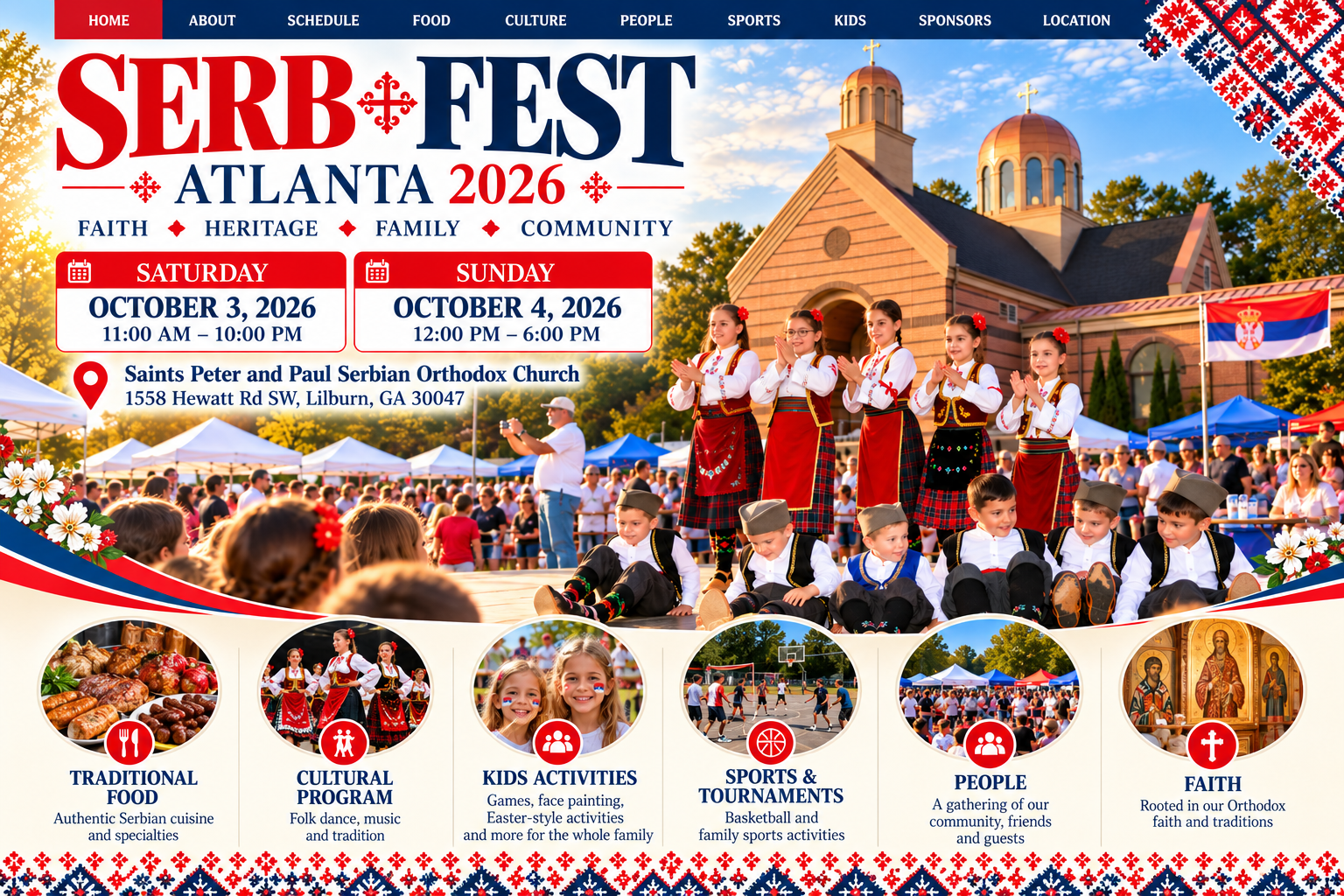
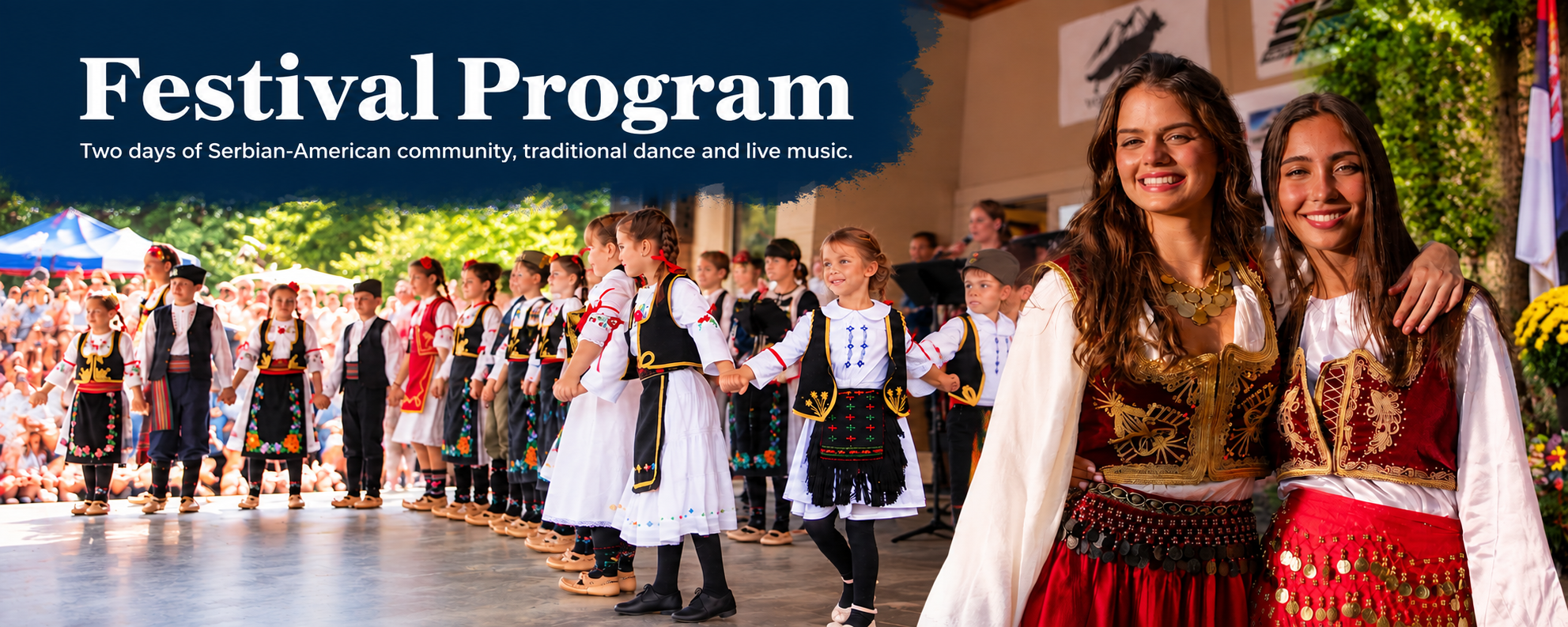
Saturday, October 311:00 AM – 10:00 PM
1:00 PM
Tamo Daleko – Serbian Waltz
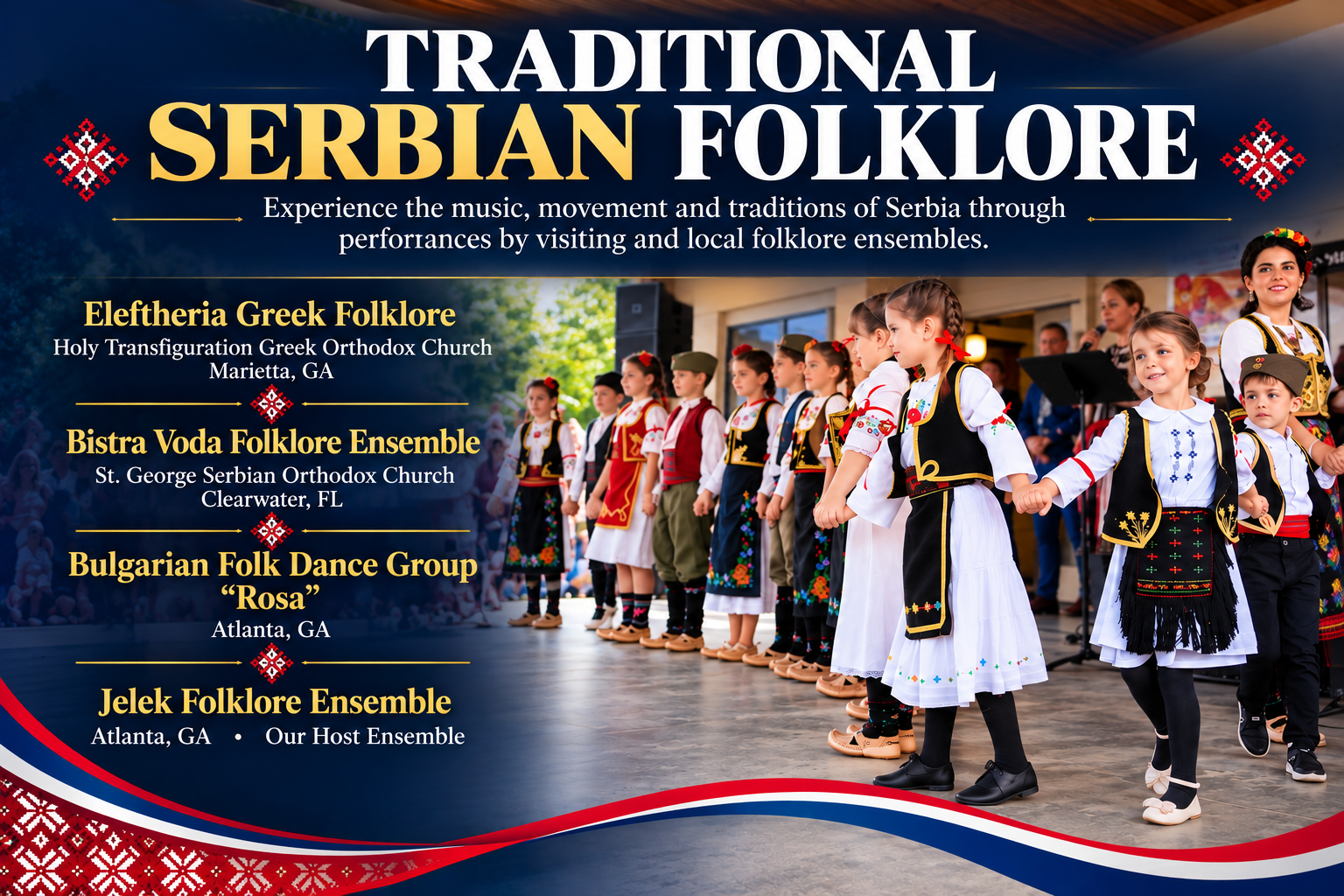
Bistra Voda Folklore Ensemble
A traditional dance performance inspired by Serbian history and memory, expressing longing for homeland, sacrifice, and the hope of returning home.
Following
Igre iz Leskovca
Jelek Folklore Ensemble
Traditional dances from the southern Serbian region, known for lively rhythms, expressive steps, and the warm, spirited character of southern Serbian folklore.
Following
Sopsko Nadigravanje
Bistra Voda Folklore Ensemble
A lively dance tradition from the Sopski region, known for energetic footwork, spirited rhythms, and distinctive traditional costumes.
Following
Igre iz Bosilegrada
Bistra Voda Folklore Ensemble
Dances from the Bosilegrad area reflecting the colorful traditions of southeastern Serbia, combining dynamic rhythms, close group formations, and a distinctive regional character.
4:00 PM
Sopsko Nadigravanje
Bistra Voda Folklore Ensemble
Returning to the stage with the spirited dances of the Sopski region, featuring distinctive traditional costumes and the playful competitive spirit of nadigravanje.
Following
Igre iz Leskovca
Jelek Folklore Ensemble
Following
Igre iz Bosilegrada
Bistra Voda Folklore Ensemble
5:30 PM
Bulgarian Dance Performance
Rosa Bulgarian Folk Group
A celebration of Bulgarian folk culture through vibrant rhythms, traditional movement, and regional representation.
8:30 PM
Greek Dance & Fire Performance
Eleftheria Greek Folklore
An energetic Greek dance performance featuring lively Greek dances and an exciting fire finale.
After
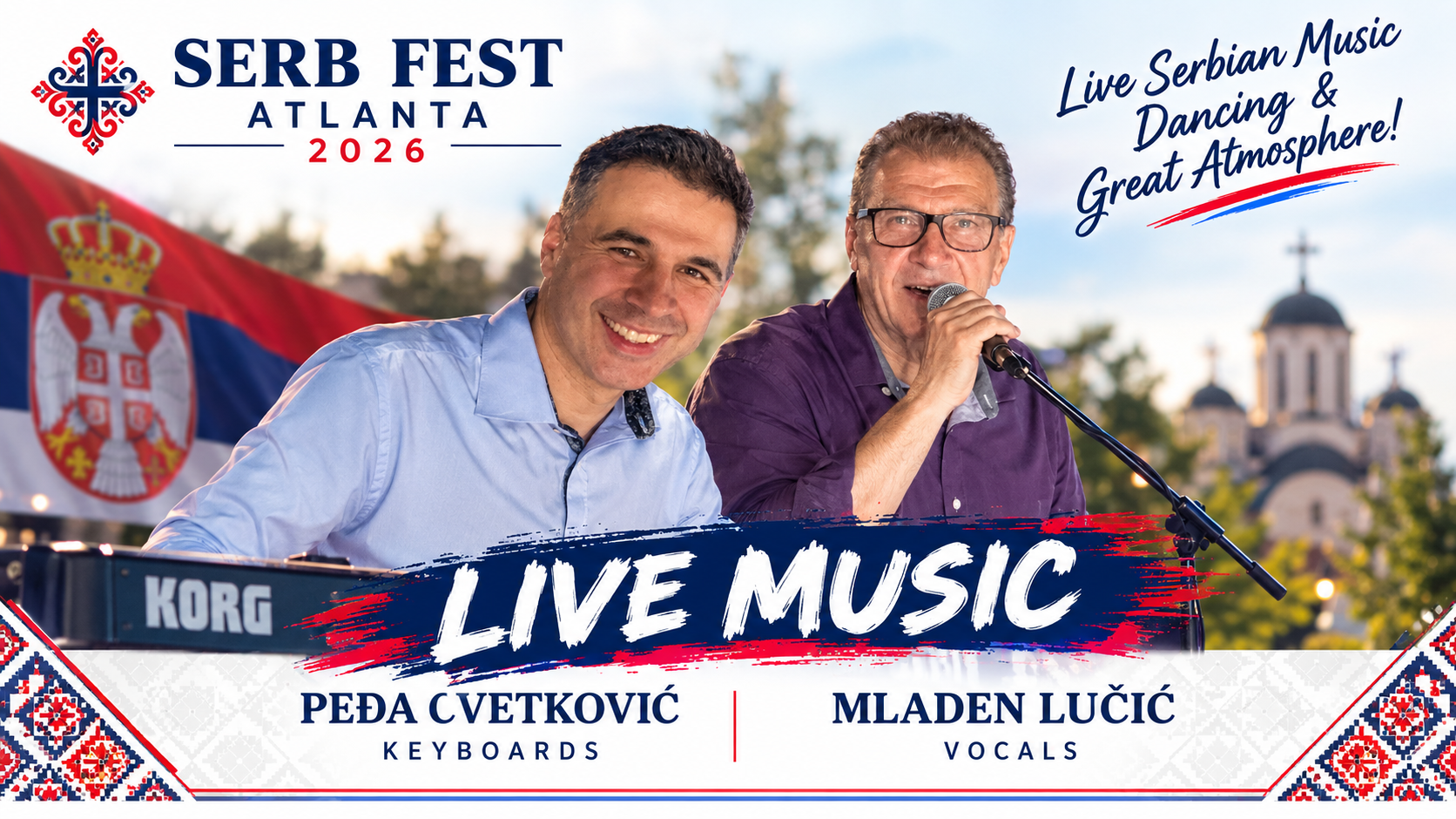
Music & Festival Celebration
Music and celebration continue until the festival closes at 10:00 PM.